
Competitions
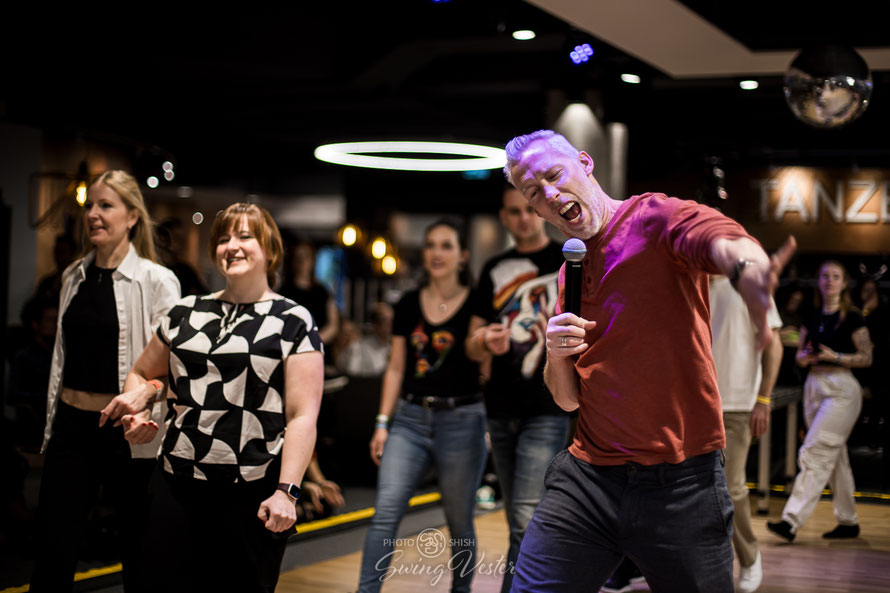
JnJ & Strictly
Jack & Jill Newcomer, WSDC Division
Jack & Jill Novice, WSDC Division
Jack & Jill Intermediate, WSDC Division
Jack & Jill Advanced, WSDC Division
Jack & Jill All Star , WSDC Division
Jack & Jill Switch
Jack & Jill Sophisticated, WSDC Division
Jack & Jill Masters, WSDC Division
Jack & Jill Champions, WSDC Division
Fee: €22/Person/Division
Strictly Novice
Strictly Intermediate
Strictly Open
Strictly Sophisticated
Strictly Masters
Strictly Switch
Fee: €22/Person/Division
Strictly Stealing Switch Open
(need 3 people for this, 45 Euro start fee)
Strictly ProAm Novice
Strictly ProAM Intermediate
Strictly ProAM Masters
Fee: €30/Couple/Division
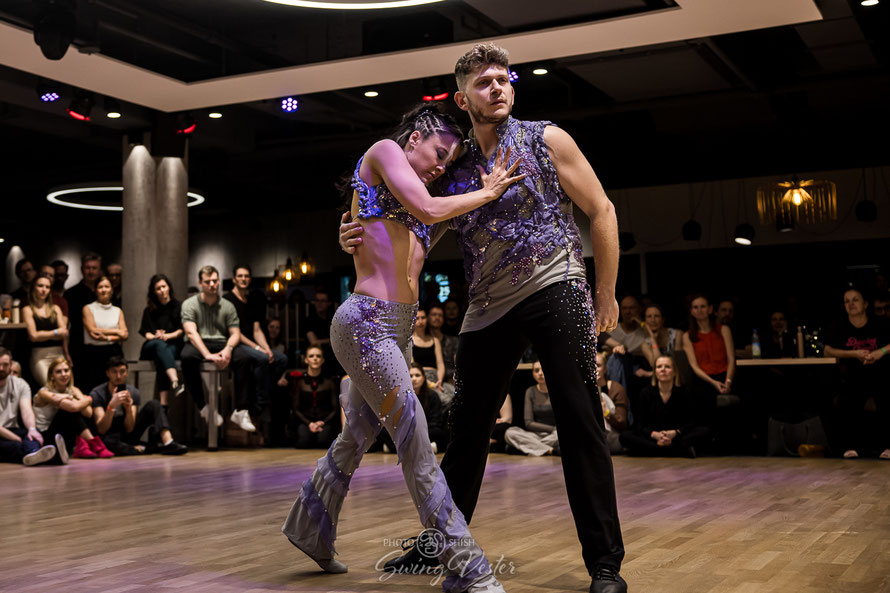
Rising Stars
Fee: €40/Couple/Division
ProAm Routine
Fee: €40/Couple/Division
Since the event starts on December 31, 2025, the rules from 2025 apply to all competitions.

Rising Star
Price money for Rising Star:
1. Place: 200 Euro / Couple
2. Place: 150 Euro / Couple
3. Place: 100 Euro / Couple
Q & A
This Q&A is intended to provide answers to some questions that beginners may have. These answers are not part of the event rules and cannot be equated with them.
Who can participate in West Coast Swing competitions?
Anyone can participate in West Coast Swing competitions, regardless of whether they are beginners or professionals. The lowest competition class in Jack&Jill (Newcomer) corresponds roughly to the Tanzbogen Level 5 course – however, there are no minimum requirements for participation. Whether you are ready to compete is different for every dancer. If you are unsure, it is best to talk to one of your trainers.
Do you also change partners in competitions?
That varies depending on the competition category. In the most popular category, “Jack & Jill,” dance partners are changed regularly. If you compete in the “Strictly” category, you register with a fixed dance partner.
Should I dance my first competition as a newcomer or novice?
You can register for your first competition in the newcomer or novice skill classes. We always recommend competing in the newcomer category for your first competition. There you will meet others who are also new to competition, gain your first experiences in a relaxed atmosphere, and get an impression of the level of dancing in competitions. You can decide at any time whether you feel ready to dance your next competition in the higher novice class. The intermediate, advanced, and all-star competition classes can only be reached by dancing your way to world ranking points.
What kind of music is danced to in competitions?
The music in competitions can vary greatly. Usually, there are three songs to dance to per round. This often includes a slow song (80-100 BPM), a fast song (100-120 BPM), and a blues song (with/without swing rhythm). For the lower competition levels, the DJ usually selects slower/easier-to-dance music.
What are the judging criteria?
The judging criteria for West Coast Swing competitions include technique, timing, and teamwork. The judges pay attention to how well you master the dance technique according to your performance class, whether you dance in time with the music, and how well you harmonize with your partner. Creativity and presentation also play an important role.
How can I best prepare for a competition?
To prepare yourself as well as possible for your first competition, it can be helpful to learn and internalize the most important basic techniques beforehand. Technical training and private lessons are particularly well suited for competition-related technical input. In open training, you then have the opportunity to practice the techniques you have learned independently and get feedback on them.
What is the WSDC?
The WSDC stands for World Swing Dance Council and is the umbrella organization for West Coast Swing dance sport. The WSDC is responsible for the international points ranking, sets standards and competition rules, and supervises the correct conduct of competitions around the world.